Founder's Guide
How to Start a Microbrand Watch Company
A founder's guide to turning market insight into a launch-ready watch brand.
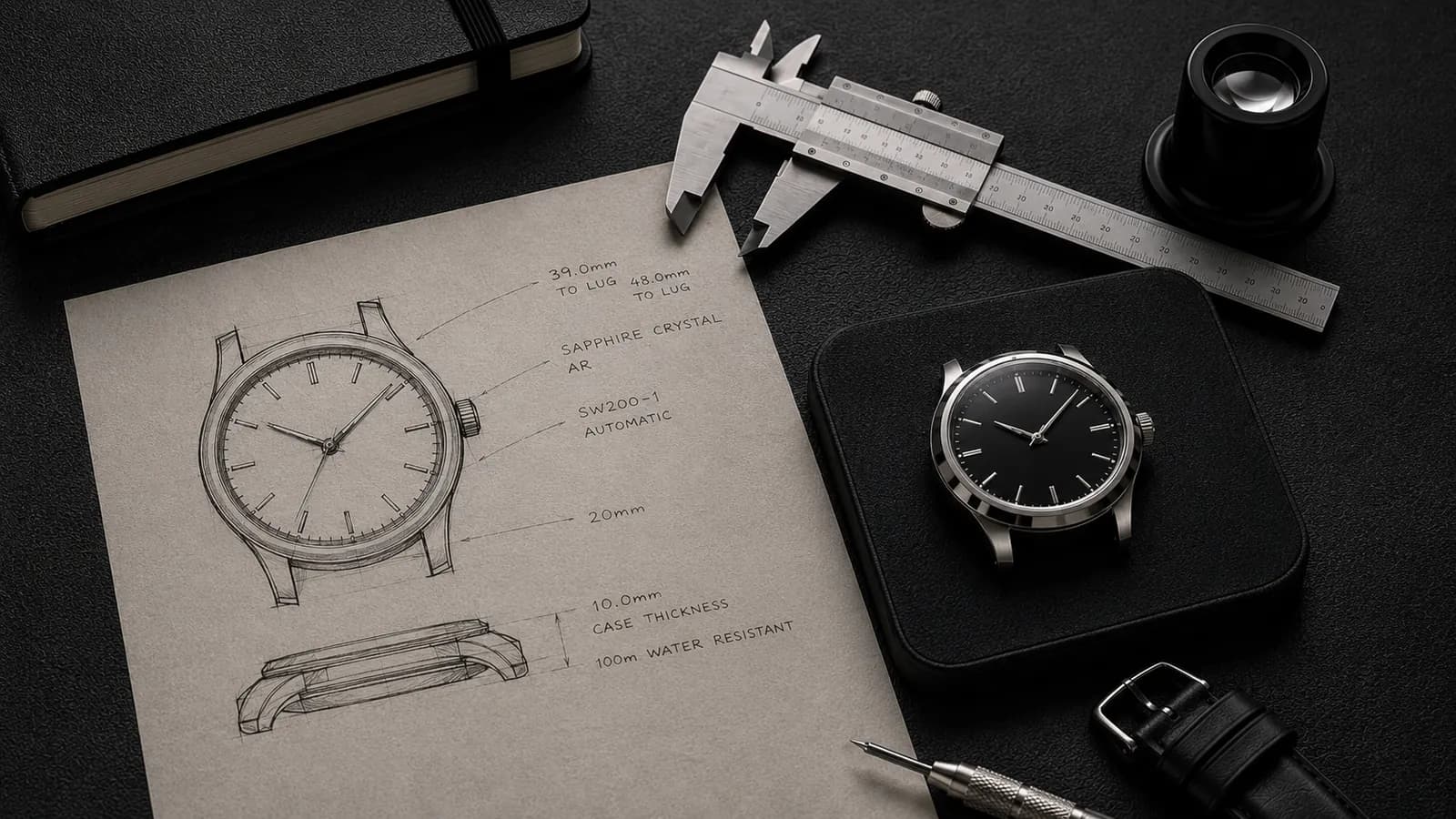
Key Takeaways
-
The best microbrand watch companies usually start with a clear market insight, not just a design idea.
-
Collectors and watch enthusiasts often make strong founders and owners because they understand what is missing, overdone, or underserved in the market.
-
A clear brand point of view helps guide watch design, audience-building, product development, and launch strategy.
-
Your first watch should ideally be designed as the foundation for future releases, not as a one-off product.
-
Manufacturing microbrand watches involves many connected suppliers, materials, timelines, quality control steps, and post-sales considerations.
-
The right product development partner should do more than quote your specs — they should help guide decisions, manage complexity, and reduce risk from concept through production.
Building a Watch Brand Starts Before Manufacturing
Starting a microbrand watch company is not just about having an idea for a watch.
The strongest founders and owners start with a clear point of view on the market: what is missing, what feels overdone, who they are building for, and why their watch deserves to exist. From there, the work is to turn that insight into a product collectors understand, want, and trust.
That requires more than good design taste. It requires understanding the watch industry, defining the brand, building an audience, validating the product, coordinating suppliers, planning for manufacturing, setting realistic expectations around cost and lead time, and choosing the right path to launch.
That is true whether you are launching your first serious watch, preparing your next release, or building on an existing brand. It is also true whether your goal is to create your own watch brand from scratch, refresh a new watch brand after acquisition, or build a stronger product development process for an existing watch company.
This guide walks through the major steps involved in building a microbrand watch company — from identifying a market gap to building a product foundation, understanding supplier complexity, planning the economics, and choosing the right partner.
Step 1: Start With the Market, Not Just the Watch
Many microbrand founders begin as collectors.
That is a strength.
Collectors often make great founders and owners because they know what is missing in the market. They have bought watches, handled them at shows, compared specs, studied dimensions, noticed design gaps, and developed strong opinions about what feels overdone or underserved.
Microbrands often succeed because they can fill design niches that larger brands overlook. Without decades of traditional brand heritage to protect, smaller brands can move faster, explore more specific ideas, and create unique designs for communities of collectors who feel underserved by the broader watch industry.
In many cases, the first real spark is not simply:
"I want to make a watch."
It is more specific:
"I wish this kind of watch existed."
That distinction matters.
A strong microbrand usually begins with a point of view. Maybe the founder sees an opportunity for a better-sized field watch, a more wearable diver, a travel GMT with a stronger design identity, a watch inspired by vintage watches, or a higher-quality product at a more attainable price point.
Before thinking about factories, tooling, production capacity, or order quantities, founders should spend time with the market.
Go to trade shows. Talk to collectors. Study competing brands. Pay attention to what people try on, what they complain about, and what they keep coming back to. Shows such as Windup Watch Fair, Spring Sprang Sprung, Intersect, Minutes + Hours, and Aurochronos can give founders a direct look at what collectors are handling, discussing, and responding to in person.

The goal is not to copy what is already working.
The goal is to understand where your own point of view can create something collectors will recognize as both familiar and meaningfully different.
Step 2: Define the Brand Point of View
A microbrand should not be built on specs alone.
Specs matter. Collectors care about case diameter, lug-to-lug, thickness, movement, crystal, lume, water resistance, bracelet quality, finishing, and how the watch feels on the wrist. But specs are not enough to create a brand.
Before developing the first model, founders should be able to answer a few core questions:
-
Who is this watch for?
-
What gap does it fill?
-
Why should this watch exist now?
-
What does the brand believe?
-
What will collectors remember about it?
A clear point of view helps guide product decisions. It gives the founder a filter for what to include, what to avoid, where to spend, and where to simplify.
pOrtahl is a good example. When Jordi van Staveren and Alain van den Donk started developing the brand, they created a set of design principles to guide the collection. They wanted to build watches people would choose every day, watches that start conversations, watches that last lifetimes, watches that deliver the best possible experience, and watches that make each time-telling moment feel special.
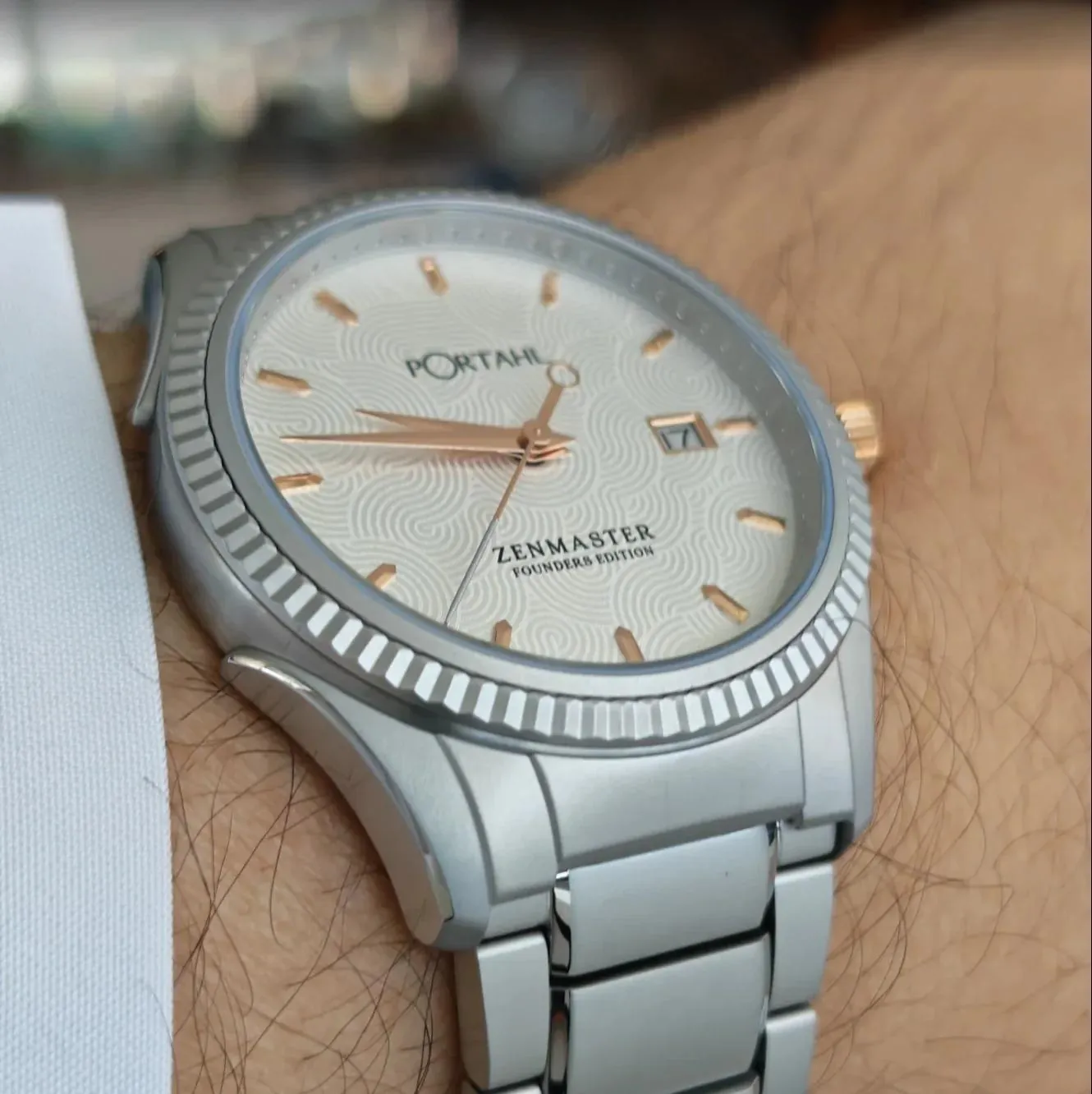
That kind of clarity matters because it keeps the product from becoming just a list of popular features.
A well-specced watch can still feel generic if it does not have a reason to exist. The strongest microbrands combine product quality with a recognizable design language, founder story, collector insight, craftsmanship, or emotional hook.
The result is not just a watch that checks the right boxes, but one that feels like it belongs to a specific brand with a specific reason for being.
Step 3: Build an Audience Before You Need One
For a microbrand, audience is not just marketing.
Audience can become market signal, design validation, community, and early demand.
Instead of waiting until the watch is finished to start telling the story, founders can bring collectors into the journey earlier. That might mean sharing design sketches, prototype updates, manufacturing lessons, trade show recaps, strap tests, dial samples, or the thinking behind key product decisions.
Scott Lancaster of Emerton Scott is a strong example. Through his YouTube content, he has brought collectors behind the scenes as he builds the brand and develops his watches. That kind of content does more than create awareness. It builds trust, gives people a reason to care, and creates a feedback loop before the product is fully launched.
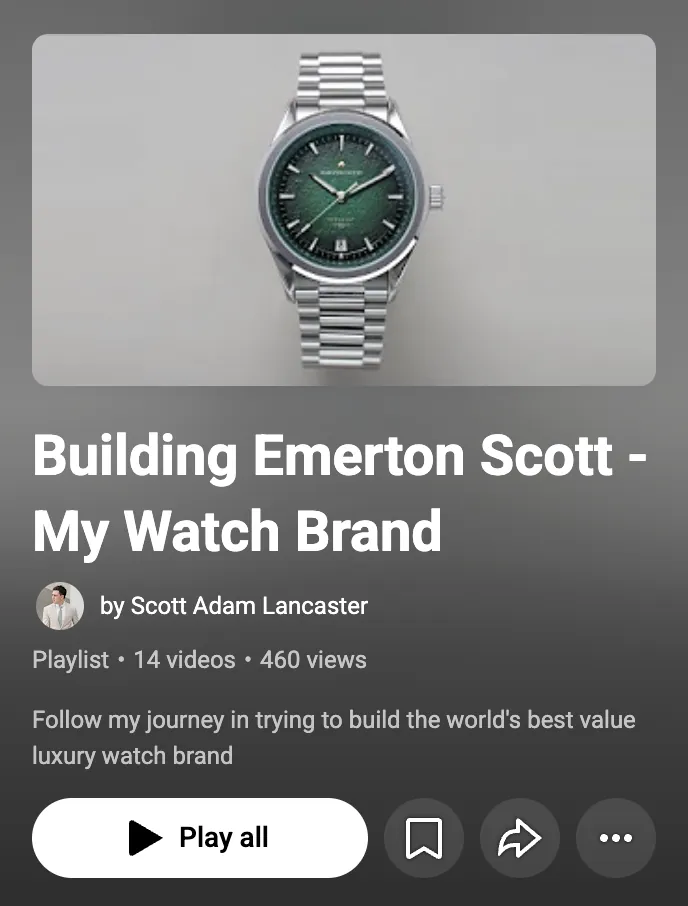
It also helps founders understand what is resonating. What questions keep coming up? Which details do collectors notice? What objections need to be addressed? What parts of the story are people repeating back?
The goal is not to outsource every decision to the audience. A founder still needs a strong point of view.
But building an audience early can help validate whether the market understands and cares about that point of view before the founder commits to production.
Step 4: Validate the Product Concept Before Committing to Production
A watch concept should be tested before it becomes a production commitment.
Validation can come from many places: collector conversations, comments and DMs, email list growth, watch show feedback, prototype reactions, small pre-order drops, Kickstarter pre-launch interest, or private community discussions.
The goal is not to chase every opinion.
Collectors will disagree. Some will want a date window. Some will hate date windows. Some will want a smaller case. Others will ask for more wrist presence. Some will care deeply about Swiss movements, while others will prioritize design, durability, everyday wear, or price.
The founder's job is not to satisfy everyone.
The founder's job is to identify the right customer and understand whether the product is resonating with that customer.
pOrtahl offers a useful example here as well. As they developed their first watch, they built a closed community and shared prototypes along the way. That feedback helped them identify improvements, pressure-test decisions, and refine the product before moving forward.
This is where validation becomes more useful than generic feedback. A comment is helpful. A waitlist is better. A prototype reaction is better still. A paid pre-order is one of the strongest signals because it shows that someone is not just interested in the idea — they are willing to commit.
A founder should still protect the original vision. But the earlier a founder can test that vision with the right audience, the more confidently they can move into manufacturing.
Step 5: Think in Platforms, Not One-Off Watches
Your first watch should not only be designed as a product. It should be designed as the foundation for what comes next.
One of the clearest ways to do this is through a consistent case architecture.
A founder might create one recognizable case shape, then adapt the rest of the design through different dials, hands, movements, colors, finishes, straps, or bracelets. This allows the brand to create unique timepieces and distinct models without starting from scratch every time.
That matters because each new component adds cost, complexity, and minimum order quantity considerations.
A new case design can require additional development work, prototyping, tooling, testing, supplier coordination, water resistance validation, bracelet and end-link fit, and quality control. By building on a proven case architecture, future releases can become more efficient to develop and easier to manage in production.
Platform thinking can also help with minimum order quantities. If multiple models share certain components, founders may have more flexibility in how they plan production, manage inventory, and spread costs across a broader product line.
Just as importantly, a consistent platform can help build a recognizable design language. When collectors can recognize a watch from across the room before seeing the logo, the brand has started to create something ownable.
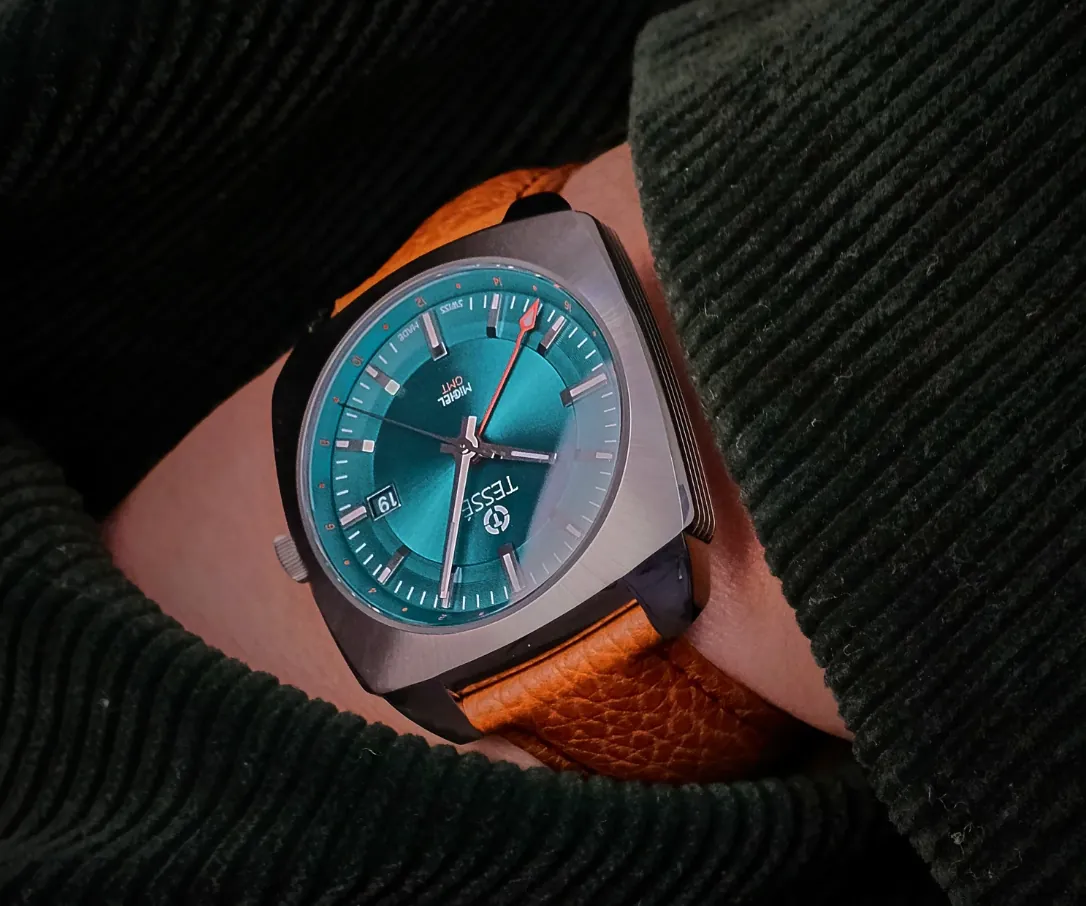
Tessé Watches is a good example. Across the Michel GMT, Architect, and Architect Monochrome lines, Thomas Brissiaud has built around a consistent case architecture while adapting the rest of the design through different colors, dials, hands, movements, and overall expressions. The result is a collection that feels cohesive, but not repetitive.
A strong platform should help manage cost, reduce complexity, improve production planning, and give the brand room to grow creatively.
The question is not only:
"What watch do I want to launch first?"
It is:
"What product foundation will help this brand build a recognizable collection over time?"
Step 6: Understand the Supplier Ecosystem
One of the first surprises for many watch founders and owners is that there is not always one single manufacturer behind a finished watch.
A watch is usually built through a supplier ecosystem.
The case, bracelet, dial, hands, movement, strap, packaging, assembly, and quality control may all involve different partners. Even when one partner is coordinating the project, the finished watch still depends on many separate inputs coming together correctly.
That is where complexity starts.
A founder may think they are making one product, but each decision affects several others. The movement affects the case. The case affects the bracelet fit. The dial and hands need to work with the movement. The finishing needs to be consistent across parts. The packaging and logistics need to align with the production schedule.
Supplier planning should also include what happens after the watch is delivered. Founders need to think about warranty support, spare parts, replacement straps or bracelets, extra crystals, crowns, gaskets, movements, and access to repair or service partners. Fast, transparent after-sales service builds customer trust, while poor service can damage a new brand even after a successful launch.
This is why founders often need more than a manufacturer. They need a coordinated supply chain and production system.
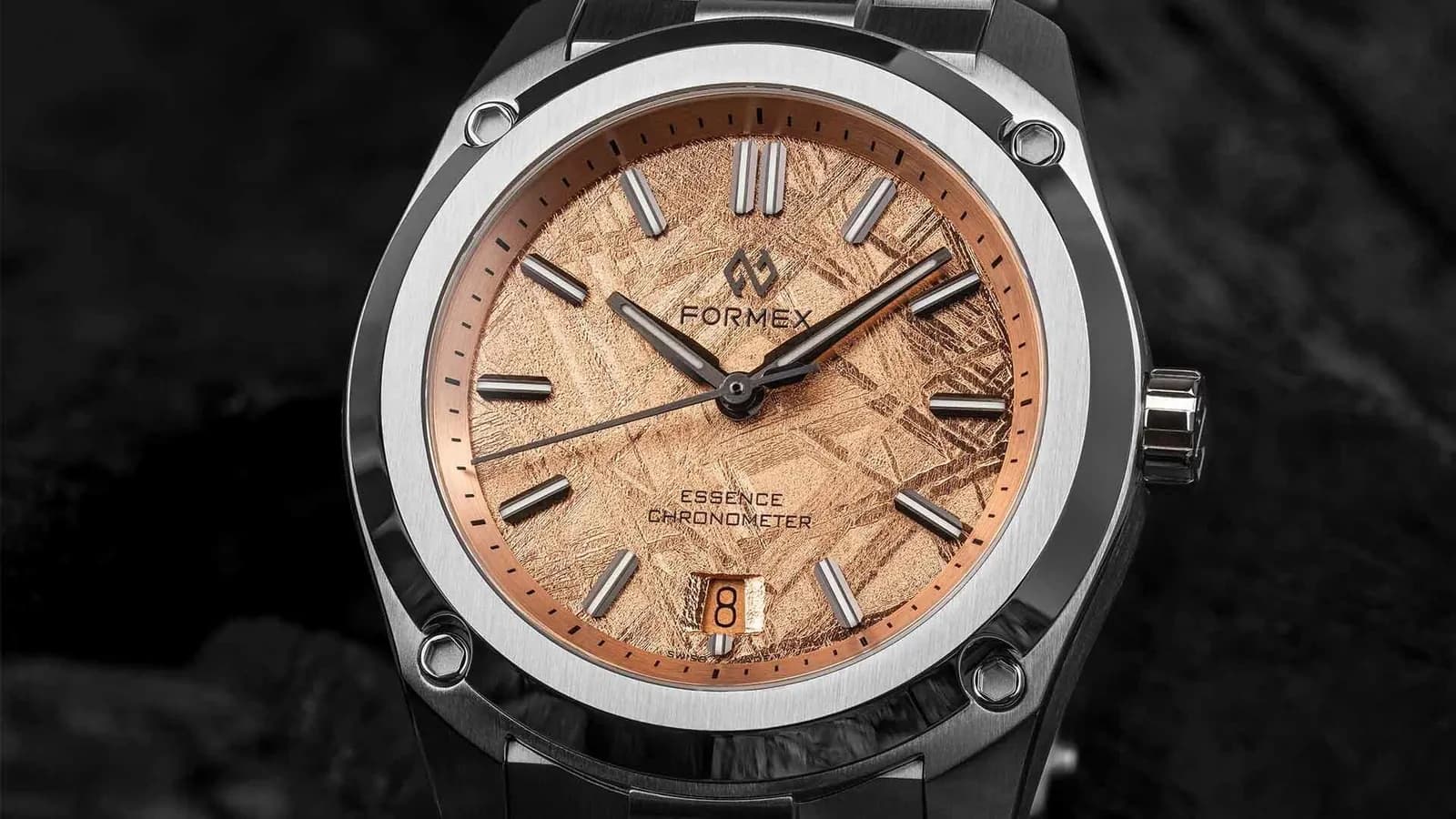
Formex offers a useful example from the other side of the industry. Because of its close relationship with manufacturing, engineering, finishing, and quality control, the brand can connect design intent with production realities more directly.
Most microbrand founders and owners do not have that infrastructure in-house. That is where the right partner can create real value: coordinating the supplier ecosystem, translating the founder's vision into a manufacturable product, identifying risk early, and managing the details that can otherwise slow down or derail a project.
The goal is not only to make the watch.
The goal is to make the right watch, at the right quality level, with fewer avoidable surprises along the way.
Step 7: Understand the Real Manufacturing Economics
A watch may look simple from the outside, but manufacturing one involves many cost decisions before the product ever reaches a customer.
Founders need to understand the difference between the cost of developing a watch and the cost of producing each unit.
The unit cost is only one part of the equation. Before production begins, a founder may need to account for design refinement, technical drawings, prototyping, sample revisions, tooling, movement sourcing, packaging, testing, rigorous quality control, freight, duties, payment fees, minimum order quantities, and post-sales support.
Movement choice can also affect the budget and manufacturing process. A quartz project, an automatic movement, and a more complex mechanical calibre can each have different implications for case design, tolerances, testing, serviceability, pricing, and margin. Reliable mass-produced movements can be a smart choice for many microbrands because they balance performance, availability, accuracy, and service access.
That is why early cost discussions should cover more than unit cost. Founders need to understand development costs, tooling, MOQs, sample timelines, production lead times, quality control, payment terms, freight, duties, and the margin needed to support the business.
A watch should not be priced only to cover its manufacturing cost. The MSRP needs to support the business model behind the brand.
For a direct-to-consumer microbrand, founders often need enough gross margin to cover product development, marketing, content, events, fulfillment, customer service, warranty support, payment processing, and the next production run. Many microbrands use direct-to-consumer sales, pre-orders, or crowdfunding because these models can help validate demand, improve cash flow, and preserve more brand control.
If the brand plans to sell through retailers, distributors, or wholesale partners, the pricing structure needs to work even after giving up a meaningful portion of the retail price.
A watch that works financially as a direct-to-consumer product may not work at wholesale. A watch that feels attractively priced to collectors may still leave the founder without enough profit to fund the next release.
This is where product tradeoffs matter.
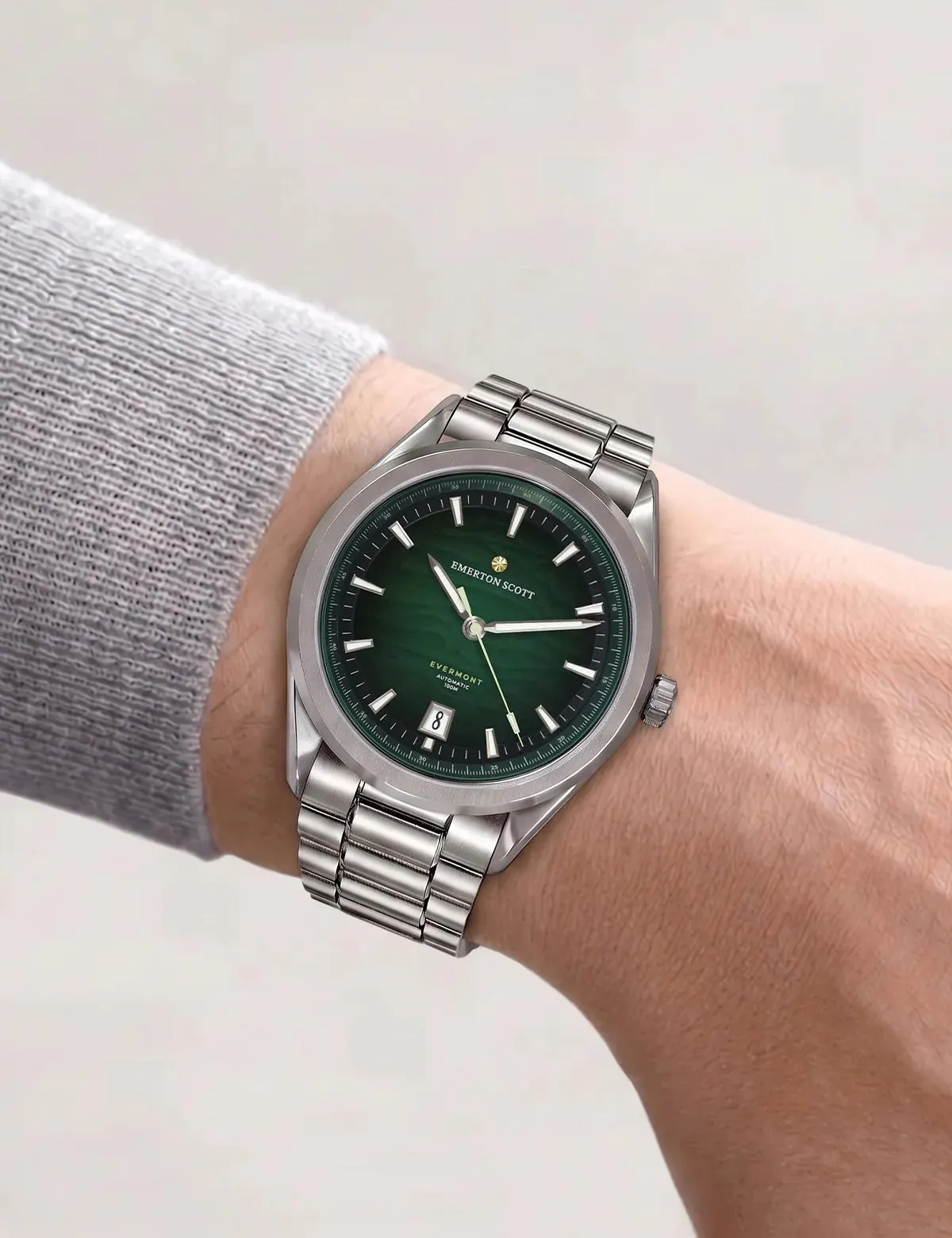
Scott Lancaster of Emerton Scott offered a useful example when discussing where product budget creates the most lasting value. Warranty cards, brochures, and printed materials can make the unboxing feel more complete, but they are usually part of a one-time experience. Bracelet quality and finishing affect the ongoing experience of the watch every time a customer wears it.
That does not mean packaging should be ignored. It means founders need to understand which costs create lasting value for the customer.
The best founders think about economics as a series of connected decisions: development cost, unit cost, MOQ, MSRP, margin, cash flow, customer value, and long-term support.
Understanding those tradeoffs early helps founders build a watch that is not only attractive on paper, but commercially realistic to manufacture, sell, support, and build upon.
Step 8: Decide Your Launch Strategy
Launching a microbrand watch is not only about when the product is ready. It is also about choosing the right path to market.
For some founders, Kickstarter can be the right choice. It can validate demand, help fund production, and create a public launch moment that gives the brand momentum.
But Kickstarter is only one option.
A founder with an existing audience may choose a direct pre-order instead. A founder with enough capital and strong confidence in demand may choose to produce inventory first and launch through a direct drop. A more established brand may also consider retailers, wholesale partners, or a hybrid approach.
Each path has tradeoffs.
Kickstarter can reduce upfront funding pressure, but it also adds platform fees, public delivery expectations, and campaign management. Direct pre-orders can keep the relationship closer to the brand, but they still require trust and clear communication. Producing inventory before launch can create a smoother customer experience, but it requires more capital and carries more inventory risk. Retail can expand reach, but it requires enough margin to support wholesale pricing.
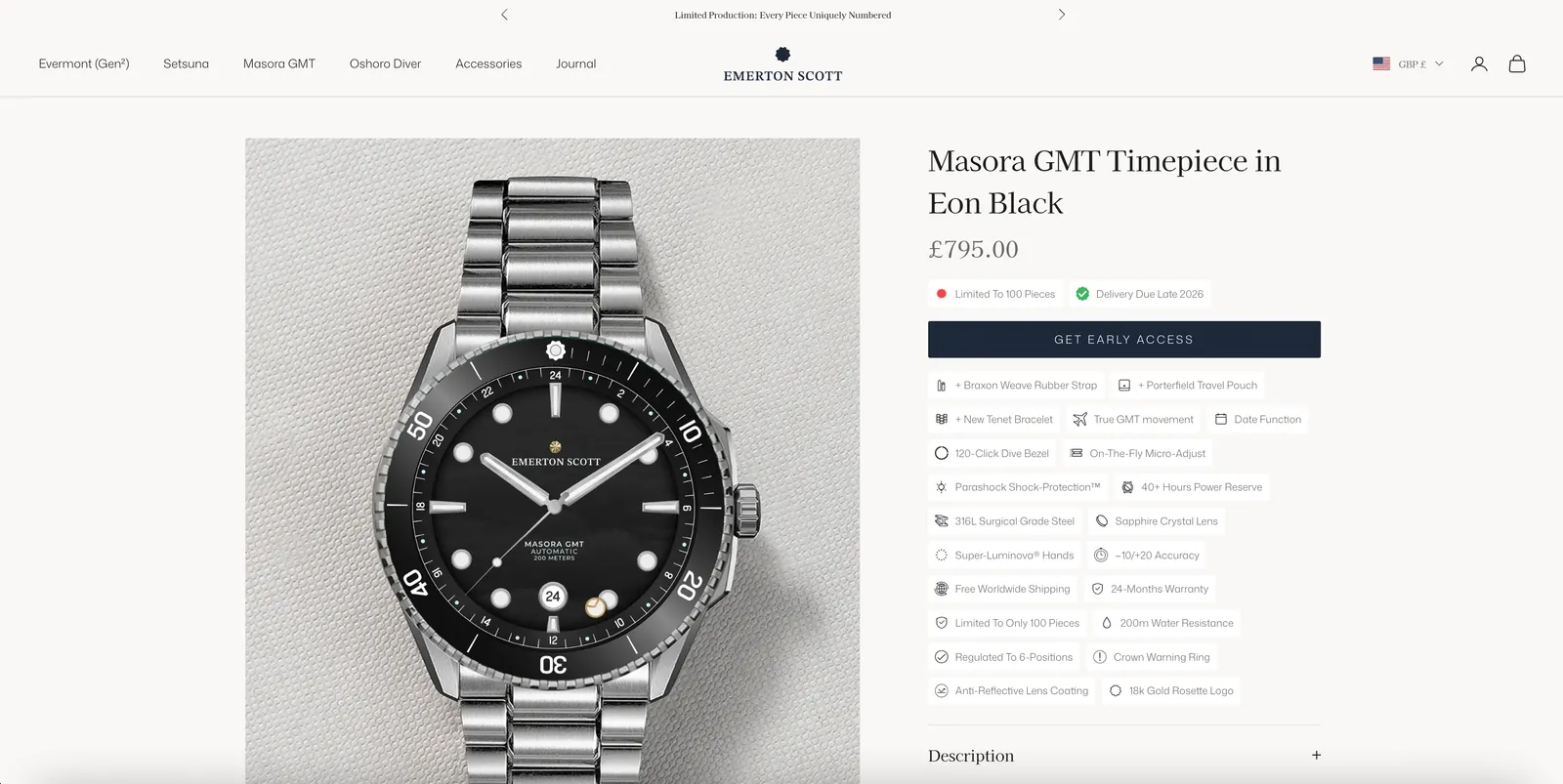
Scott Lancaster of Emerton Scott offers a useful example. Because he had already built an audience through YouTube and had collectors following the journey, Kickstarter was not necessarily the best path. He could sell more directly to the community he had already built, avoid some of the added costs, and keep the launch closer to the brand.
The best launch path is the one that matches the founder's audience, cash position, production readiness, margin structure, and long-term business model.
Step 9: Prepare Before Contacting a Manufacturing Partner
A founder does not need to have every detail solved before speaking with a manufacturing partner.
But they should be prepared.
The more clearly a founder can explain the brand, the target customer, the product concept, the desired price point, and the intended launch strategy, the more useful the conversation will be.
At a minimum, founders should try to understand the basics of what they want to build: the general case size, movement direction, design inspiration, materials, dial concept, bracelet or strap preference, expected order quantity, target MSRP, and ideal launch timeline.
Founders should also request and review samples before committing to bulk production. Samples and prototypes help test the design, finishing, fit, proportions, comfort, and overall quality before the project becomes a larger production commitment.
They should also be ready to ask practical questions:
-
What will prototyping involve?
-
What tooling or mould costs may be required?
-
What minimum order quantities should they expect?
-
How long does production usually take after final sample approval?
-
What quality control steps are included?
-
Are technical and aesthetic inspections performed before approval?
-
Is water resistance testing included where applicable?
-
Who owns any custom tooling?
-
What packaging options are available?
-
How are payments typically structured?
-
What should be planned for post-sales service, warranty support, and spare parts?
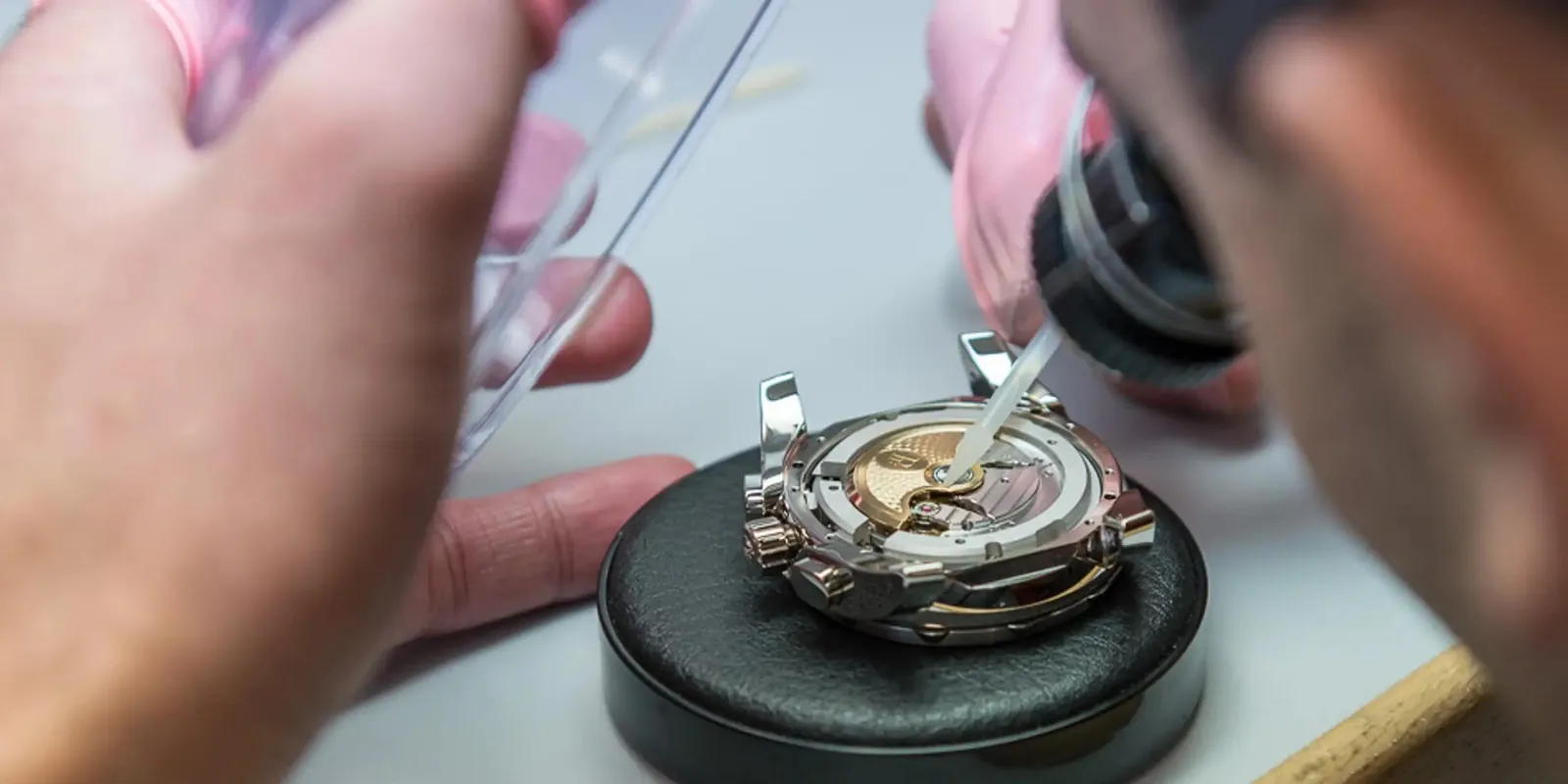
The goal is not to arrive with a perfect specification sheet.
The goal is to arrive with enough clarity for the partner to give meaningful guidance. A good manufacturing conversation should help the founder understand what is realistic, what tradeoffs are involved, where cost or complexity may increase, and what decisions need to be made before moving forward.
The better prepared the founder is, the more productive that conversation becomes.
Step 10: Choose the Right Type of Manufacturing Partner
Not every watch manufacturing partner offers the same kind of support.
Some suppliers are best suited for private label watches. In that model, a brand may choose an existing watch design, add a custom logo, and make limited changes to the dial, strap, packaging, or colorway. This can be useful in some contexts, but it usually gives the brand less control and less uniqueness.
An Original Design Manufacturer (ODM) partner may offer ready-made or semi-developed designs that can be adapted for a new brand. This can give founders more flexibility than a basic private label approach, but the product is still usually built around an existing platform or supplier-led design.
An Original Equipment Manufacturer (OEM) partner typically builds to the brand's specifications. This can give the founder more control over the watch design, materials, movement choice, case construction, dial, hands, bracelet, finishing, and packaging. But it also requires clearer specifications, stronger product direction, and more coordination across the development and production process.
For many serious microbrand founders and owners, the most valuable option is a full-service product development partner.
A full-service partner does more than quote a list of specifications. The right partner helps pressure-test the product concept, identify potential risks, explain tradeoffs, source the right suppliers, manage prototyping, coordinate production, oversee quality control, and plan for packaging, logistics, and post-sales support.
That kind of guidance reduces risk because many problems in watch development do not appear as one big obvious issue. They show up as small decisions that compound: a case that affects bracelet fit, a movement choice that changes thickness, a dial detail that slows production, a packaging decision that adds cost, or a missing spare parts plan that creates service problems later.
A good partner helps identify those risks before they become expensive delays, quality issues, or customer problems.
That matters because a watch is not just a collection of parts. It is a product that needs to fit the brand, satisfy collectors, work commercially, be manufactured consistently, and be supported after delivery.
For microbrand founders and owners, the goal is not simply to find the lowest quote. The goal is to find a partner who can help turn a strong idea into a watch that is realistic to produce, reliable to deliver, and strong enough to support the next stage of the business.
A manufacturer can help you build a product.
A true partner can help you build your business.
Zeon Micro helps microbrand founders and owners move from concept to production with a more guided, accountable process. We support founders across product development, sourcing, manufacturing coordination, quality control, packaging, logistics, and launch planning, helping turn strong ideas into manufacturable watches.
If you are building a microbrand watch company and want a partner who can help pressure-test the product, manage complexity, reduce risk, and guide the process from concept through production, Zeon Micro can help.
Frequently Asked Questions
What is a microbrand watch company?
A microbrand watch company is usually an independent watch brand that produces watches in relatively small batches, often with a direct relationship to collectors. Many microbrands sell direct-to-consumer, focus on specific design niches, and use outside manufacturing partners rather than owning every part of production in-house. The best microbrands are not just smaller versions of large watch companies — they often succeed by creating distinctive watches for communities that feel underserved by the broader watch industry.
How much does it cost to start a microbrand watch company?
For a serious microbrand watch project, founders should usually think in terms of tens of thousands of dollars before launch, not just the unit cost of each watch. The final budget depends on complexity, order quantity, tooling, movement, packaging, testing, launch strategy, and post-sales planning. A simpler watch using more standard components may require less upfront investment, while a highly customized case, bracelet, dial, clasp, or packaging system can increase development and tooling costs significantly.
What minimum order quantity should a microbrand founder expect?
Many microbrand watch projects should be planned around minimum order quantities of roughly 300 to 500 units, though some suppliers or components may require 1,000 units or more. MOQs often depend on the case, dial, bracelet, hands, packaging, and whether parts are custom or based on existing components. Founders should ask about MOQs early because they affect budget, pricing, inventory risk, and launch strategy.
How long does it take to manufacture a microbrand watch?
A realistic timeline is often several months from concept refinement to finished production. Early samples or prototypes may take a few weeks once specifications are clear, while full production often takes around four to six months after final sample approval. More complex projects, custom tooling, special finishes, supplier delays, or multiple sample revisions can extend the timeline.
Should I launch my microbrand watch on Kickstarter?
Kickstarter can make sense if the founder needs demand validation, production funding, and a public launch moment. It may be less attractive if the brand already has a strong audience, enough capital to fund production, or wants more control over pricing and customer experience. Founders should also account for platform fees, payment processing, campaign marketing, customer communication, and the pressure of delivering publicly on a promised timeline.
What gross margin should a microbrand watch aim for?
A direct-to-consumer microbrand often needs a healthy gross margin to cover more than production cost. As a planning range, many founders should think in terms of roughly 50% to 70% gross margin for DTC sales, depending on price point, quality level, marketing costs, fulfillment, warranty support, and future product investment. If the brand plans to sell through retailers or wholesale partners, the MSRP needs to support wholesale pricing while still leaving enough profit for the brand to operate and grow.
Do I need a finished design before contacting a manufacturing partner?
No, but you should have a clear product direction. A founder does not need a complete technical specification sheet before starting the conversation, but it helps to know the target customer, design inspiration, approximate case size, movement direction, expected order quantity, target MSRP, launch plan, and the features that matter most. The clearer the brief, the more useful the manufacturing conversation will be.
What should I ask a watch manufacturing partner?
Founders should ask about prototype costs, tooling or mould costs, minimum order quantities, sample timelines, production lead times after final sample approval, quality control steps, testing, packaging options, payment terms, tooling ownership, warranty support, and spare parts planning. These questions help reveal the true scope of the project and make it easier to compare partners beyond the headline unit cost.
Can one partner manage the full watch development and production process?
Yes. A full-service product development partner like Zeon Micro can help coordinate design, sourcing, prototyping, manufacturing, quality control, packaging, and logistics. That matters because most watches are not made by a single supplier. Cases, bracelets, straps, dials, hands, movements, packaging, assembly, and QC may all involve different partners. A coordinated process can reduce delays, avoid miscommunication, and help founders move from idea to finished product with less risk and fewer surprises.